
Stay afloat
 "Stay afloat" means to manage to survive or endure challenges without failing or sinking. It originates from maritime terminology where it literally refers to remaining on the water's surface. Metaphorically, it extends to personal, financial, or organizational contexts, emphasizing the ability to maintain stability and continue functioning despite difficulties. The phrase underscores resilience, adaptability, and the capacity to persevere through adversity to ensure continued success or survival.
 "Go with the flow" means adapting to circumstances without resistance, following the natural course of events with ease. It encourages flexibility and acceptance, allowing individuals to navigate life's challenges without undue stress or frustration. This mindset promotes a harmonious approach to living by embracing the fluidity of situations and making decisions based on the present moment rather than rigid plans.
 "Up the creek without a paddle" means being in a difficult situation without any means of help or support. The phrase originated from the literal scenario of being stranded on a creek or river without a paddle to steer or navigate. Metaphorically, it describes feeling helpless, vulnerable, and unable to find a solution to a problem or challenge. It emphasizes the importance of being prepared and having resources or support to handle unexpected difficulties effectively.
 "Hit the deck" instructs individuals to quickly drop to the floor or deck, originating from military and naval contexts. It signifies immediate action to avoid danger or respond to threats by assuming a low position. Figuratively, the expression is used to describe swift reactions to unexpected events, emphasizing readiness and the need to take cover or protect oneself promptly.
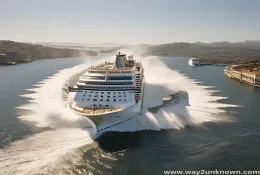 "Make waves" figuratively describes creating a noticeable impact or disturbance in a situation. It implies taking actions that provoke reactions, attract attention, or bring about significant changes. This expression emphasizes boldness, assertiveness, and the ability to influence or disrupt the status quo in various contexts.
 "Cast off" in nautical terms refers to the action of releasing moorings or lines that secure a vessel to a dock, signaling the beginning of a journey. It denotes readiness to depart and embark on a voyage across the seas. Figuratively, it symbolizes letting go of constraints and starting anew, whether in personal growth, endeavors, or relationships.
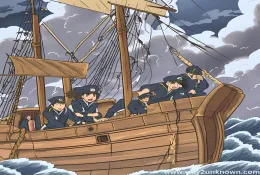 "All hands on deck" is a phrase originating from maritime contexts, signaling the need for everyone aboard a ship to participate in a task or emergency. It underscores the importance of collective effort and cooperation to address challenges effectively. Figuratively, it extends to situations outside of sailing to denote a call for unity and mobilization of resources to tackle urgent or demanding tasks.
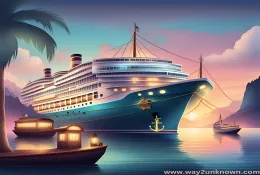 "Anchor's aweigh" is a maritime expression indicating that a ship's anchor is raised and it is ready to depart. It signals the beginning of a voyage or journey across the seas. Figuratively, the phrase symbolizes readiness to embark on a new adventure or undertake a significant endeavor, evoking a sense of excitement and anticipation for what lies ahead.
 "Make a day of it" encourages embracing an experience or activity fully throughout an entire day. It suggests taking time to enjoy and engage in various aspects of the event or outing without rushing. The phrase promotes leisurely immersion, allowing for a relaxed and enjoyable day of exploration and indulgence in activities or leisurely pursuits.
 The term "holiday of a lifetime" refers to an exceptionally memorable and transformative travel experience. It denotes a trip that fulfills long-held dreams or aspirations, offering unique cultural encounters, luxurious accommodations, or extraordinary adventures. This phrase captures the essence of a once-in-a-lifetime journey that creates lasting memories and enriches one's life through unparalleled experiences.