
To take a leaf out of someone’s book
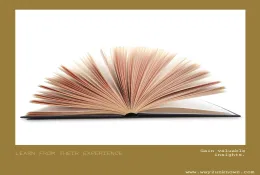 In essence, taking a leaf out of someone’s book is about recognizing and appreciating the strengths and accomplishments of others and using them as inspiration or a blueprint for personal growth and development. It’s a way to leverage the wisdom and achievements of others to enhance your own journey towards success.
 Reading between the lines is like understanding the hidden or implied meaning in what someone says or writes. It’s about figuring out the deeper message beyond just the words. It involves paying attention to hidden cues like tone, body language, and context to really get what someone is trying to communicate.
  "To learn the ropes" refers to acquiring the necessary skills and knowledge to perform a task effectively, often applied to newcomers or novices. Originating from nautical terminology, it implies mastering the basic techniques required for a particular job or activity. The phrase emphasizes the importance of training and familiarization in becoming proficient in a new role or endeavor.
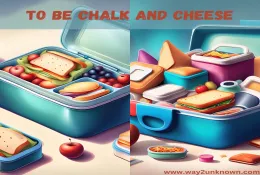 "To be chalk and cheese" is an idiomatic expression denoting stark differences between two entities, often emphasizing fundamental contrasts in characteristics or qualities. It draws from the disparate properties of chalk, typically white and used for writing, and cheese, known for its various textures and flavors. The phrase underscores not just differences but a profound divergence, making the comparison strikingly evident.
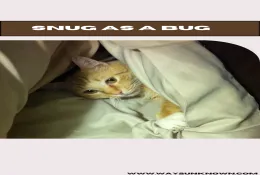 Overall, when you hear the phrase “as snug as a bug in a rug,” think of someone who is in a state of complete comfort, security, and contentment, just like a bug nestled in a cozy rug. It’s a charming and whimsical way to describe feeling perfectly at ease in a situation.
 Overall, the idiom “to be an old soul” captures the essence of someone who carries themselves with a sense of wisdom and maturity that transcends their chronological age. It’s a term used to acknowledge individuals who possess a unique and profound insight into life and the human experience.
 Overall, “To be in the land of nod” is a charming and imaginative idiom that captures the essence of being in a deep and restful slumber, away in the world of dreams and peaceful sleep.
 The idiom “To be knee-high to a grasshopper” means to describe someone who is very young or small in size. It’s used to emphasize how young or tiny someone was in the past, often in a nostalgic or affectionate way.
 "Build castles in the air" means indulging in unrealistic or impractical dreams or plans that are unlikely to become reality. It warns against investing time and energy into pursuits lacking a solid foundation in reality. The phrase encourages focusing on achievable goals rather than wasting resources on fanciful aspirations.
 "To bring the house down" is an expression denoting a performance or event that is exceptionally successful and well-received by an audience. Originating from theater, it symbolizes overwhelming applause and cheers elicited by an outstanding performance. It is commonly used across various forms of entertainment to signify the pinnacle of success and audience engagement.




 The idiom “to be housebound” encapsulates the experience of being confined to one’s home and the challenges that come with it. It highlights the importance of support systems, adaptability, and resilience in coping with circumstances that limit physical mobility and social interactions.
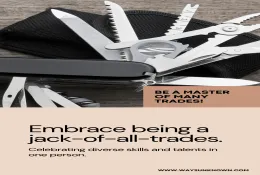 To be a “jack-of-all-trades” embodies versatility, adaptability, and a broad skill set. While it has its advantages in certain contexts, individuals embodying this idiom should also recognize the importance of continuous learning and development to enhance their skills and expertise across various domains.
 "To be lovestruck" describes the intense infatuation or fascination with someone, often characterized by overwhelming emotions and preoccupation with thoughts of the person. It implies being deeply affected or enchanted by feelings of romantic attraction, akin to being struck by Cupid's arrow. This state of being can lead to euphoria, obsession, and idealization of the object of affection, sometimes overshadowing rational judgment.